
When it comes to currency, 20 pesos might not sound like much—until you realize what it can do for you. Picture this: a quick snack, a refreshing drink, or even a whimsical souvenir from your favorite market. It’s that magical amount that can stretch your budget just a bit further, making you feel like a savvy traveler or a local bargain hunter.
Understanding Currency Conversion
Understanding currency conversion involves knowing how pesos relate to other currencies. The peso serves as both a currency and a means to engage with local economies.
What Are Pesos?
Pesos represent the official currencies of several countries, including Mexico and the Philippines. Different nations issue unique versions of pesos, but the currency often maintains a similar value across regions. Mexican pesos, indicated by MXN, hold particular significance for travelers exploring Mexico. Philippine pesos, represented as PHP, are essential for navigating daily life in the Philippines. Both currencies allow individuals to experience local markets, purchase goods, and engage with cultural displays.
Current Exchange Rate for Pesos
Current exchange rates fluctuate based on market conditions. As of October 2023, one Mexican peso exchanges for approximately 0.06 USD, while one Philippine peso trades around 0.018 USD. This variance impacts the value of 20 pesos significantly. For example, 20 Mexican pesos equals about 1.20 USD, while 20 Philippine pesos is roughly 0.36 USD. Travelers should monitor exchange rates regularly, especially when planning spending. Knowing these rates helps travelers optimize their budgets during international travels.
The Value of 20 Pesos
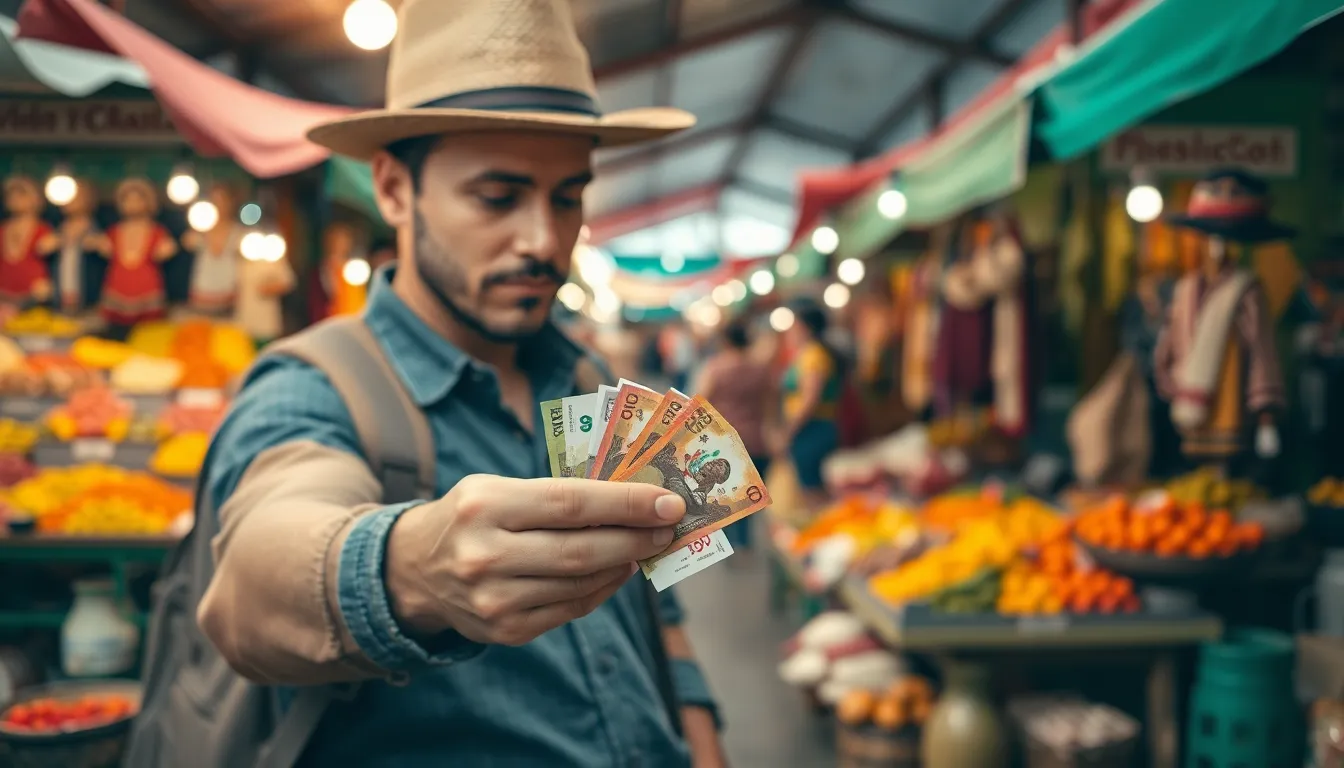
Understanding the value of 20 pesos requires a look at its purchasing power and current exchange rates. This small amount can facilitate various transactions, making it significant for travelers.
Comparing with US Dollars
Current exchange rates indicate one Mexican peso equals approximately 0.06 USD. Thus, 20 Mexican pesos translate to about 1.20 USD. In contrast, one Philippine peso is roughly 0.018 USD, making 20 Philippine pesos approximately 0.36 USD. This comparison helps travelers gauge the worth of 20 pesos and make informed decisions in local markets. Recognizing this conversion aids in maximizing budgets while exploring new cultures.
Historical Value Comparison
Historically, the value of 20 pesos has fluctuated based on economic conditions. In 2000, one Mexican peso was valued at about 0.1 USD, indicating a decline in value over two decades. Conversely, the Philippine peso has shown different trends, with notable fluctuations during economic shifts. Examining these historical changes allows travelers and economists to assess purchasing power evolution. Understanding these patterns contributes to better financial planning during international travel.
Spending 20 Pesos in Different Countries
Twenty pesos can serve various purposes depending on the country. It provides insights into how this small amount of money can impact daily life in different regions.
In Mexico
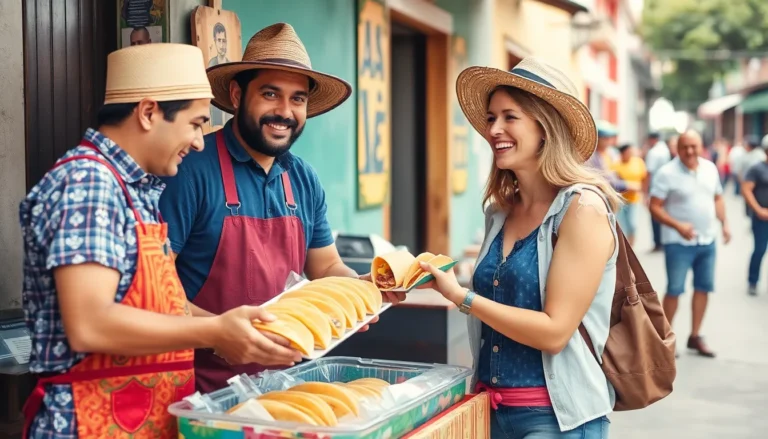
In Mexico, 20 Mexican pesos (MXN) amount to approximately 1.20 USD. For that price, travelers can enjoy a fresh taco from a local vendor or a small bottle of water. Alternatively, some might find it enough to purchase a piece of local fruit from street markets. Using pesos for these treats enhances the travel experience, allowing visitors to engage with culture directly. Understanding local prices helps Budget-savvy individuals find value while exploring vibrant markets or villages.
Other Countries Using Pesos
Travelers may encounter pesos in various nations aside from Mexico, including the Philippines. In the Philippines, 20 Philippine pesos (PHP) equals around 0.36 USD. This amount might cover a local snack such as a piece of bibingka or a small drink like sago’t gulaman. Several countries, including Argentina and Chile, utilize pesos with varying exchange rates. Assessing these country-specific values clarifies how much 20 pesos can afford in each locale, offering diverse spending opportunities for globetrotters.
Practical Uses for 20 Pesos
Understanding the practical uses for 20 pesos reveals its potential in daily life.
Everyday Expenses
In Mexico, 20 Mexican pesos often cover small everyday expenses. A fresh taco at a street vendor typically costs around this amount, providing a delicious taste of local cuisine. Additionally, a small bottle of water or a simple snack can be purchased for the same price. In the Philippines, 20 Philippine pesos can buy a local drink or a light snack, making it easy for travelers to enjoy local flavors. Street food is not only affordable but also offers an authentic experience. Overall, this small amount allows individuals to engage in cultural activities without significant financial investment.
Purchasing Power
The purchasing power of 20 pesos varies significantly between countries. One Mexican peso equals approximately 0.06 USD, meaning 20 pesos amounts to about 1.20 USD. This conversion highlights its relative value in local markets. In contrast, 20 Philippine pesos translates to roughly 0.36 USD, illustrating a different spending capacity. Travelers who understand these values can stretch their budgets. Small purchases, like snacks and drinks, enhance experiences without overspending. Each peso spent contributes to engaging with local cultures while managing finances effectively.
Understanding the value of 20 pesos can significantly enhance a traveler’s experience. Whether it’s enjoying a local snack or engaging with the culture through small purchases, this amount offers a gateway to authentic interactions. The differences in purchasing power between countries highlight the importance of being informed about currency conversion rates.
Travelers can make the most of their budgets by recognizing how far 20 pesos can stretch. As they navigate local markets and savor regional delicacies, they’ll find that even a small amount can lead to memorable experiences. Embracing the local economy with a keen awareness of currency dynamics enriches any journey.