

Navigating the world of parenting can be as tricky as herding cats. When faced with the mandate of attending court approved parenting classes, many parents may feel a rising tide of anxiety. But fear not. These classes aren’t just a box to check: they offer a treasure trove of valuable insights that can enhance parenting skills while satisfying legal requirements. Let’s unravel the mystery of court approved parenting classes and discover how they can benefit both parents and children alike.
What Are Court Approved Parenting Classes?
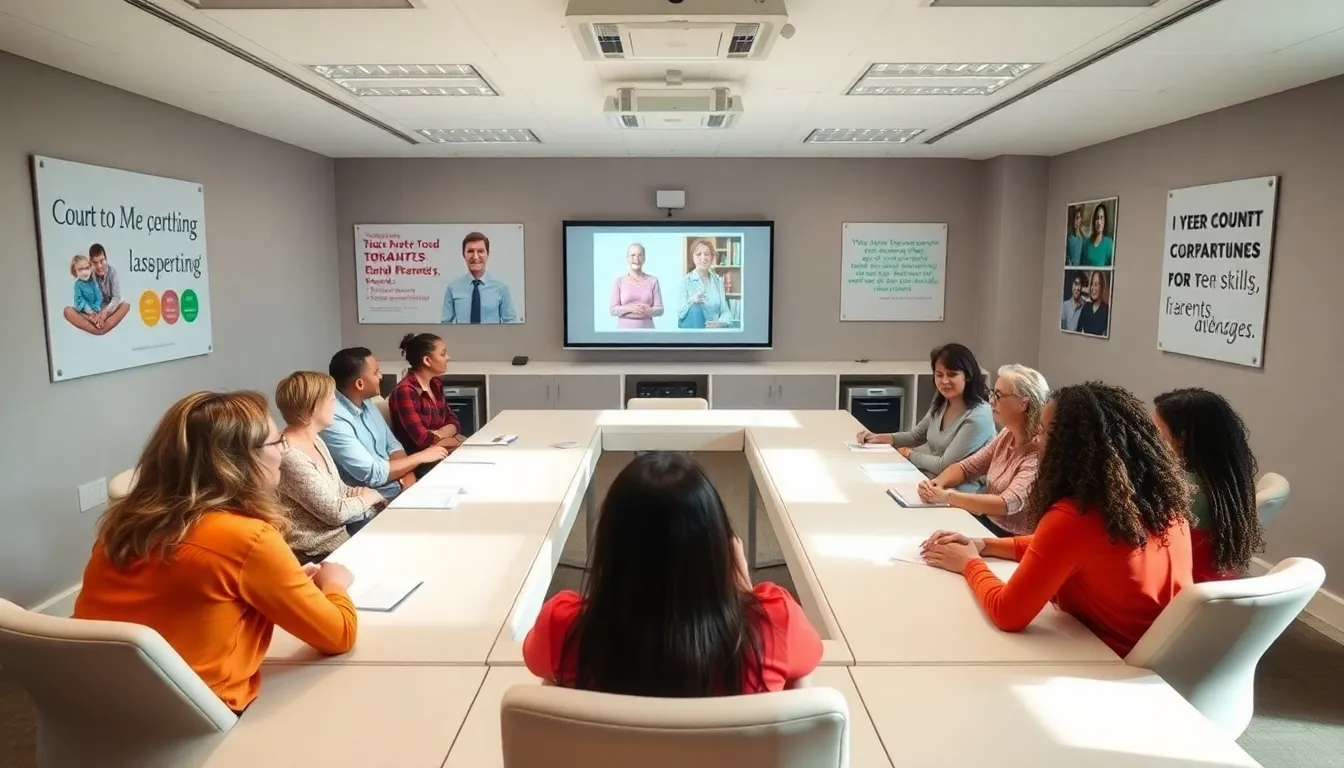
Court approved parenting classes are educational programs designed to aid parents in understanding their roles and responsibilities during and after legal proceedings, typically in cases involving custody or divorce. These classes cover a variety of topics, including child development, co-parenting strategies, and effective communication. Generally, they are mandated by a court to ensure parents are equipped with the tools necessary to nurture their children positively amid stressful changes in their family structure. Notably, these classes can help mitigate negative impacts on children caused by parental conflict.
Benefits of Court Approved Parenting Classes
The advantages of attending court approved parenting classes go beyond mere compliance. Firstly, these classes often provide evidence-based strategies that enhance a parent’s effectiveness at nurturing their children. Parents learn to foster emotional support and develop healthy communication skills that can minimize conflict. Also, they can offer a supportive community where individuals share experiences and advice. Improved parenting techniques can lead to healthier parent-child relationships, eventually enriching the child’s developmental experience and increasing familial harmony.
Types of Court Approved Parenting Classes
When diving into the world of court approved parenting classes, parents will find a variety tailored to address diverse needs. Some classes focus on general parenting skills, while others might investigate into specific challenges like single parenting, blended families, or parenting children with special needs. Online courses also provide flexibility for busy parents, allowing them to complete coursework at their own pace. It’s essential to choose a course aligned with personal circumstances and learning preferences.
How to Choose the Right Parenting Class
Selecting the right parenting class can feel overwhelming, but keeping a few key considerations in mind can simplify the process. Firstly, check if the class is recognized by the relevant court, this ensures that the completion will meet legal obligations. Secondly, consider the instructor’s qualifications: experienced instructors can offer invaluable insights. Also, verify the course format, whether in-person or online, and assess personal learning preferences to ensure optimal engagement. Finally, don’t hesitate to read reviews from previous participants to gauge the class’s effectiveness and relevance.
What to Expect in a Court Approved Parenting Class
Participants in court approved parenting classes can expect a structured yet engaging environment. Classes often include presentations, interactive discussions, and group activities that encourage participants to share their experiences. Expect to learn useful techniques, such as conflict resolution and stress management, conducive to fostering healthier family dynamics. Many classes also emphasize understanding child development stages to better cater parenting styles to their child’s age and needs. Eventually, the goal is to help practical applications of learned concepts to real-life situations.
Completing the Course and Receiving Certification
Upon completing a court approved parenting class, parents typically receive a certificate of completion, which is required to meet court mandates. This certification not only fulfills the legal requirement but also serves as a personal testament to one’s commitment to becoming a more effective and supportive parent. Individuals might also take pride in the achieved skills, which can positively influence their parenting journey and the overall well-being of their children.