
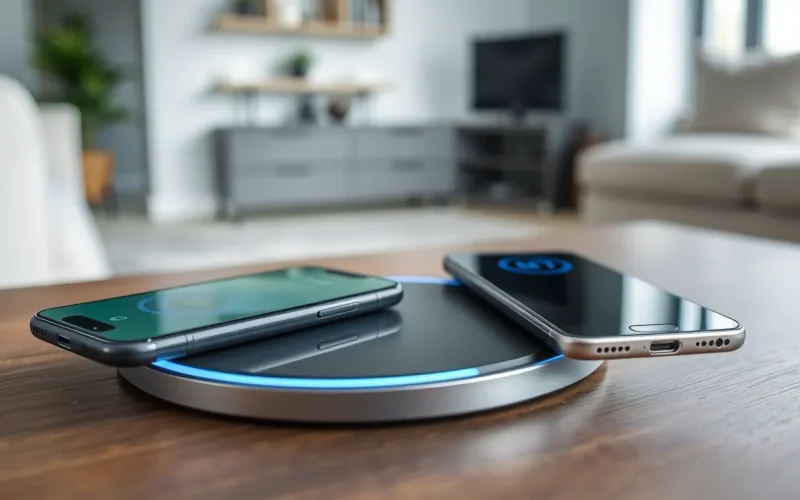
Imagine a world where your iPhone and Samsung join forces instead of competing for your attention. Sounds like a sci-fi dream, right? But believe it or not, you can actually charge a Samsung phone wirelessly using an iPhone charger. Yes, you heard that right!
Understanding Wireless Charging
Wireless charging utilizes electromagnetic fields to transfer energy between devices. This method requires both the charging pad and the device to support the same wireless charging standard, typically Qi. Samsung and Apple both use this standard, enabling compatibility between their devices.
Electromagnetic induction allows energy transfer without physical connectors. A transmitter coil in the charging pad generates a magnetic field, which a receiver coil in the device converts back to electrical energy. This technology reduces wear and tear on charging ports while simplifying the charging process.
Samsung phones come equipped with the necessary technology for wireless charging. iPhones, starting from the iPhone 8 and later models, also support Qi wireless charging. Compatibility between Samsung and iPhone means users can leverage their available charging accessories effectively.
Qi chargers are widely available in various forms. Users can find charging pads, stands, and even car mounts designed for convenience. Many devices feature wireless charging capabilities, including smartwatches and earbuds.
Improper alignment can hinder charging efficiency. Ensuring the device sits correctly on the charging pad fosters optimal energy transfer. Some chargers provide indicators to signal proper connection, simplifying the user experience.
Safety features are integrated into wireless charging devices. Overheating protection and foreign object detection help protect both the charger and the device. Understanding and utilizing these features enhances charging efficiency and device safety.
Compatibility Between Samsung and iPhone
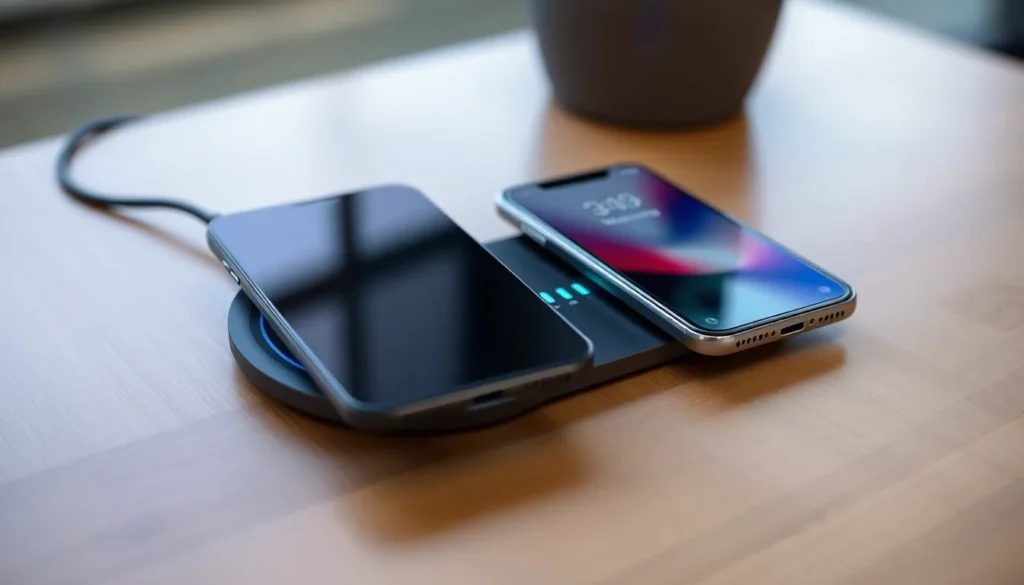
Understanding compatibility between Samsung and iPhone devices is essential for effective wireless charging. Both brands support the Qi wireless charging standard, which simplifies the process of charging across different devices.
Key Differences in Wireless Charging Standards
Samsung primarily utilizes the Qi standard and features fast wireless charging capabilities. iPhones also support Qi but may not charge as quickly as Samsung models. Furthermore, Apple’s devices rely on their own MagSafe technology for optimized wireless charging alignment, while Samsung phones remain consistent with Qi guidelines. Users might notice varying charging speeds depending on the device’s charging capabilities and the type of charger used.
Devices That Support Wireless Charging
Samsung models, starting from the Galaxy S6 and newer, support wireless charging. Most recent iPhone models, beginning with the iPhone 8, also feature wireless capability. Compatible devices include flagship models like the Galaxy S21 and iPhone 13. Many Qi chargers work with both brands, allowing users to charge devices interchangeably as long as they are within the specified range. Even older Samsung and iPhone models may offer effective wireless charging when utilized with compatible accessories.
Step-by-Step Guide to Charge Samsung With iPhone Wirelessly
Charing a Samsung device with an iPhone charger requires some preparation. Users need to ensure their devices are compatible and ready for wireless charging. Clearing any cases or accessories from the Samsung phone’s back enhances the charging process. Any obstruction may interfere with the charging alignment. Checking that both devices support the Qi standard guarantees effective energy transfer. Lastly, keeping the iPhone charger within reach allows for seamless charging.
Connecting the charger involves specific steps. Placing the Samsung phone on the charger aligns it properly with the charging coil. Users should position the device centrally on the charging pad for optimal functionality. If the charger buzzes or the phone lights up, it’s receiving power correctly. The iPhone’s charger should remain plugged into a power source during this process. Ensuring a stable power connection further prevents interruptions in charging. Verifying the connection status on the Samsung device confirms it is charging effectively.
Tips for Successful Wireless Charging
Successful wireless charging relies on optimal conditions and a few simple practices. Understanding these factors enhances the experience for users.
Optimal Charging Distance
Maintain a distance of 0 to 5 millimeters between the charger and device for effective energy transfer. The closer the Samsung phone is to the charging pad, the better the connection. Misalignment can lead to slower charging speeds or interruptions. Users should ensure that there are no obstructions such as cases or accessories that might increase this gap. Positioning the phone centrally on the charger boosts efficiency, ensuring a solid power transfer.
Avoiding Interferences
Minimize interferences that could disrupt the charging process. Metallic objects or electronics placed near the charger may hinder energy flow. Keeping the charging area clear can significantly improve performance. Other devices like credit cards, wireless earbuds, and even coins should be kept away during charging. Users often encounter better results by turning off unnecessary gadgets nearby, as reduced electronic noise enhances the overall experience.
Charging a Samsung phone with an iPhone charger opens up new possibilities for users of both brands. By leveraging the Qi wireless charging standard, individuals can enjoy the convenience of cross-brand compatibility. This innovative approach not only simplifies the charging process but also highlights the potential for collaboration between Apple and Samsung.
With the right techniques and attention to detail, users can maximize their wireless charging experience. Ensuring proper alignment and maintaining a clear charging area are key factors for efficient energy transfer. As technology continues to evolve, the ability to charge devices across different brands will likely become even more seamless, making life easier for consumers everywhere.