
When it comes to creating products that make waves in the marketplace, grasping the essence of product design is key. Imagine strolling through a store, discovering items that not only catch your eye but also manage to resonate deeply with your needs. This isn’t mere coincidence: it’s a masterclass in product design. This article will jump into the profound impact that product design holds in transforming mundane items into must-haves. With a sprinkle of humor, a dash of expertise, and some real talk, let’s navigate the intriguing universe of product design together.
Understanding Product Design

Product design is more than just sketching pretty pictures. At its core, it’s about crafting solutions that address specific problems, while also considering the preferences of potential users. Think of product design as a bridge connecting creativity with functionality. It integrates various disciplines, including engineering, materials science, and even psychology. Designers aren’t just creators: they are problem solvers, strategists, and, yes, even mind readers. They seek to understand what users want, sometimes before the users themselves even know it. This deeper understanding leads to innovations that can revolutionize entire industries.
The Importance of Product Design in Business
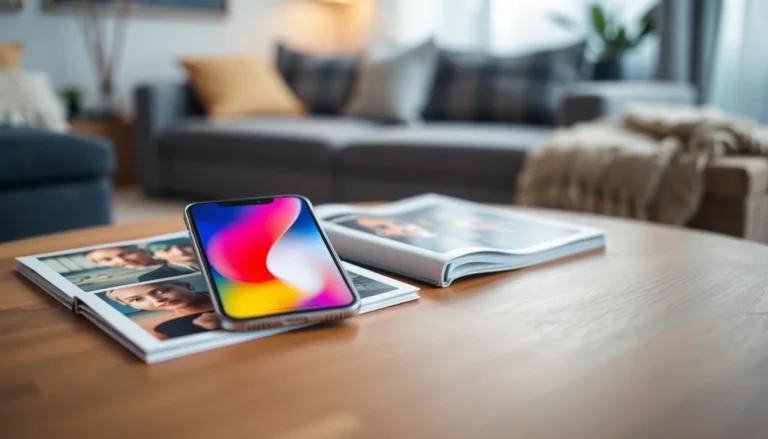
In today’s cutthroat market, product design is the lifeblood of business success. A stellar design can be the make-or-break factor between a product being loved or left on the shelf. For example, take the iPhone: it’s not just a phone but a design masterpiece that has changed the game. Effective product design can increase customer loyalty, drive brand reputation, and boost market share. Businesses that prioritize strong design stand out from the competition. When customers feel invested in a product, they’re more likely to advocate for it and, let’s be honest, this boosts both sales and brand visibility.
Core Principles of Effective Product Design
So, what are the foundational principles that every product designer should keep in mind? First off, simplicity reigns supreme. A product should solve a problem without introducing unnecessary complexity. Next, functionality must always come first. Users want products that work seamlessly without friction. Another principle is aesthetics: while it’s not everything, a visually appealing product entices users and enhances their overall experience. Finally, never forget about user feedback. Continuous iteration, driven by user insights, paves the way for excellence in design.
The Product Design Process
The product design process might sound like an intricate dance, but it can be broken down into manageable steps. It usually starts with research, where designers gather insights about the target audience and market. Next comes ideation, a brainstorming phase bubbling over with creativity where multiple concepts are generated. The third step involves prototyping, where ideas take physical form: this is where the magic starts to materialize. Testing follows, enabling designers to evaluate product performance and make necessary adjustments. Finally, the product moves into production phase, which is as exhilarating as it is nerve-wracking. Launching a product successfully caps this entire effort, showcasing the culmination of hard work to the world.
Tools and Technologies in Product Design
The tools and technologies utilized in product design have evolved remarkably in recent years. Traditional sketches have been replaced with advanced computer-aided design (CAD) programs that allow for meticulous detail. Prototyping has also embraced 3D printing technology, enabling designers to create rapid prototypes for testing. Collaboration tools have become indispensable, allowing teams spread across different geographies to work seamlessly together. Technologies like virtual reality (VR) and augmented reality (AR) are becoming staples in product design as they allow designers to visualize and test products in various environments before they become physical entities. This tech-savvy approach enhances creativity while minimizing costly mistakes.
Trends Shaping the Future of Product Design
As we gaze into the future, several trends are already making waves in the product design space. Sustainability has emerged as a primary focus: products that demonstrate eco-conscious design principles are increasingly favored by consumers. Minimalism is another trend steering the design ship, emphasizing clean lines and functional beauty, appealing to modern tastes. Customization is increasingly popular, allowing users to personalize products, making them feel unique. Also, incorporating artificial intelligence (AI) into designs is on the rise, enabling smarter and more intuitive user experiences. These trends signal a significant shift toward creating products that not only meet functional needs but also resonate with user values.