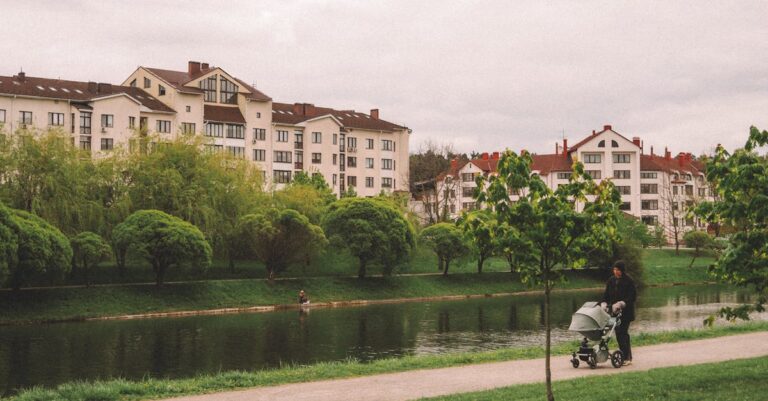

In a world where the office has become a second home and vacation days feel like a myth, finding the perfect travel work balance is more important than ever. Imagine sipping a piña colada on a sun-soaked beach while your laptop hums away in the background. Sounds like a dream, right? But the reality is that juggling deadlines and wanderlust can feel like walking a tightrope, with deadlines lurking like a hungry shark below.
Navigating this delicate dance between work and travel doesn’t have to be a circus act. With the right strategies, anyone can master the art of blending productivity with adventure. So grab your passport and your planner, because it’s time to explore how to conquer the travel work balance and turn those far-off destinations into your new office view.
Understanding Travel Work Balance
Travel work balance refers to the intersection of productivity and exploration. Achieving this balance becomes essential as remote work offers opportunities to work from various locations. While enjoying picturesque views, individuals face the task of managing responsibilities effectively.
Time management plays a vital role in this balance. Prioritizing tasks each day helps maintain productivity levels, ensuring deadlines are met while enjoying new experiences. Establishing routines in different environments enhances focus, allowing individuals to adapt to their surroundings.
Technology supports travel work balance through various tools. Project management apps enable seamless collaboration with teams, ensuring that communication remains fluid regardless of location. Cloud storage facilitates access to necessary documents, providing flexibility in workflow.
Setting boundaries contributes to successful travel work balance. Designating specific hours for work helps individuals separate personal time from professional commitments. Maintaining a clear distinction prevents burnout, allowing for rejuvenation during adventures.
Distractions are common when working in new environments. Identifying these distractions and minimizing them enhances concentration. Finding the right space to work, such as a quiet café or rental property, fosters productivity.
Furthermore, embracing local cultures enriches the work experience. Engaging with the community during breaks promotes a sense of belonging and fulfillment. Balancing travel exploration with work tasks ultimately leads to a more rewarding and enjoyable journey.
Importance of Travel Work Balance

Striking a balance between travel and work fosters a healthier lifestyle while improving productivity. This synergy allows individuals to explore new cultures and recharge mentally.
Benefits for Mental Health
Engaging in travel significantly boosts mental health by reducing stress levels. Experiencing new environments enhances mood and provides a sense of adventure. Fresh air and diverse scenery contribute to better emotional well-being. Studies show that breaks from routine improve cognitive function, leading to greater creativity. Social interactions during travel can reduce feelings of isolation, promoting a sense of community and belonging. Ultimately, immersing oneself in different cultures offers valuable perspective, allowing for personal growth.
Impact on Productivity
Flextime enabled by travel increases overall productivity. Remote work encourages individuals to tailor their environments, creating spaces that enhance focus. A change of scenery often inspires new ideas and fresh approaches to problem-solving. Setting specific goals during travel helps maintain accountability. Efficient use of technology facilitates collaboration, bridging gaps between personal exploration and professional responsibilities. Balancing work with leisure optimizes task management, resulting in higher-quality outputs. Prioritizing both aspects leads to a fulfilling and effective work experience.
Strategies for Achieving Travel Work Balance
Achieving a balance between travel and work involves implementing effective strategies. These methods help individuals manage responsibilities while enjoying new experiences.
Time Management Techniques
Effective time management techniques enhance productivity during travel. Use tools such as calendar apps to schedule dedicated work hours and plan tasks. Prioritize tasks based on deadlines, ensuring that critical projects receive attention first. Break tasks into smaller, manageable segments. Setting specific milestones during the trip boosts motivation and accountability. Use the Pomodoro technique to balance work intervals with short breaks, improving focus. Consider establishing a daily routine that aligns with local time zones, helping maintain energy levels throughout the day.
Setting Boundaries
Setting boundaries proves essential for maintaining the travel work balance. Designate specific times for work to prevent bleed into personal exploration. Communicate availability with colleagues to manage expectations and avoid overcommitment. Use physical spaces to create separation; designate areas in temporary accommodations as work zones. When personal time begins, disconnect from work emails and notifications to fully engage with surroundings. Establishing these limits fosters a healthier relationship with work and leisure, ultimately enhancing overall well-being.
Challenges to Travel Work Balance
Achieving a travel work balance presents multiple challenges that can hinder productivity. Distractions in new environments often pull focus away from essential tasks. Additionally, time zone differences create scheduling difficulties, complicating communication with colleagues. Competing priorities may arise, leading to stress when balancing work commitments and leisure activities. Lastly, inadequate workspaces can impact concentration and overall effectiveness.
Common Obstacles
Distractions in beautiful locations can reduce productivity. People often find themselves exploring rather than working. Additionally, fluctuating schedules from travel can disrupt routines. Establishing a consistent work pattern becomes challenging across different time zones. Communication with colleagues may also suffer due to these variations. Feelings of isolation and disconnect from the home office contribute to frustration. Furthermore, lack of suitable workspaces impacts focus and efficiency.
Solutions to Overcome Challenges
Setting clear boundaries can significantly improve the balance between travel and work. Designating specific work hours helps maintain focus amidst distractions. Utilizing project management tools for better task visibility enhances collaboration and ensures accountability. Finding dedicated workspaces, such as co-working facilities, can boost concentration levels. Prioritizing tasks based on deadlines fosters efficient workflow management. When one embraces local culture during breaks, it enriches the travel experience while preventing burnout. Lastly, consistent communication with colleagues fosters teamwork and eases feelings of isolation.
Achieving travel work balance is essential in today’s dynamic world. By blending productivity with exploration, individuals can unlock a more fulfilling lifestyle. With effective time management and the right tools, it’s possible to maintain focus while enjoying new experiences.
Setting clear boundaries and finding suitable workspaces are crucial for preventing burnout. Engaging with local cultures during breaks enriches the overall journey, fostering creativity and connection. Embracing this balance not only enhances productivity but also promotes mental well-being, leading to a more rewarding work experience. Ultimately, the journey towards achieving this balance is as enriching as the destinations themselves.